











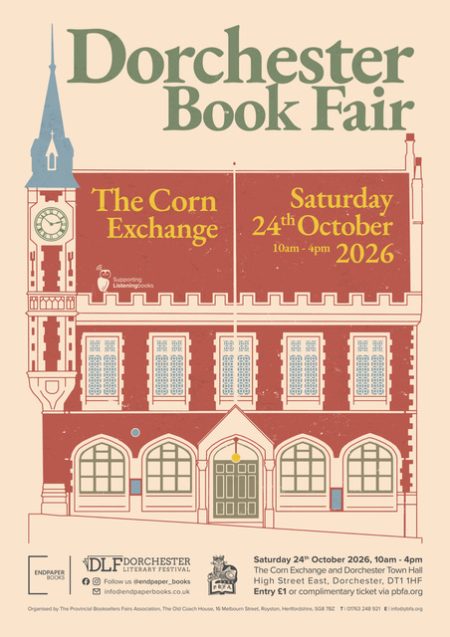


How many people have said that? And how many have gone on to establish one that, thirteen years later, has sold more than 50,000 tickets and seen some of the cream of the British publishing industry visit their town.
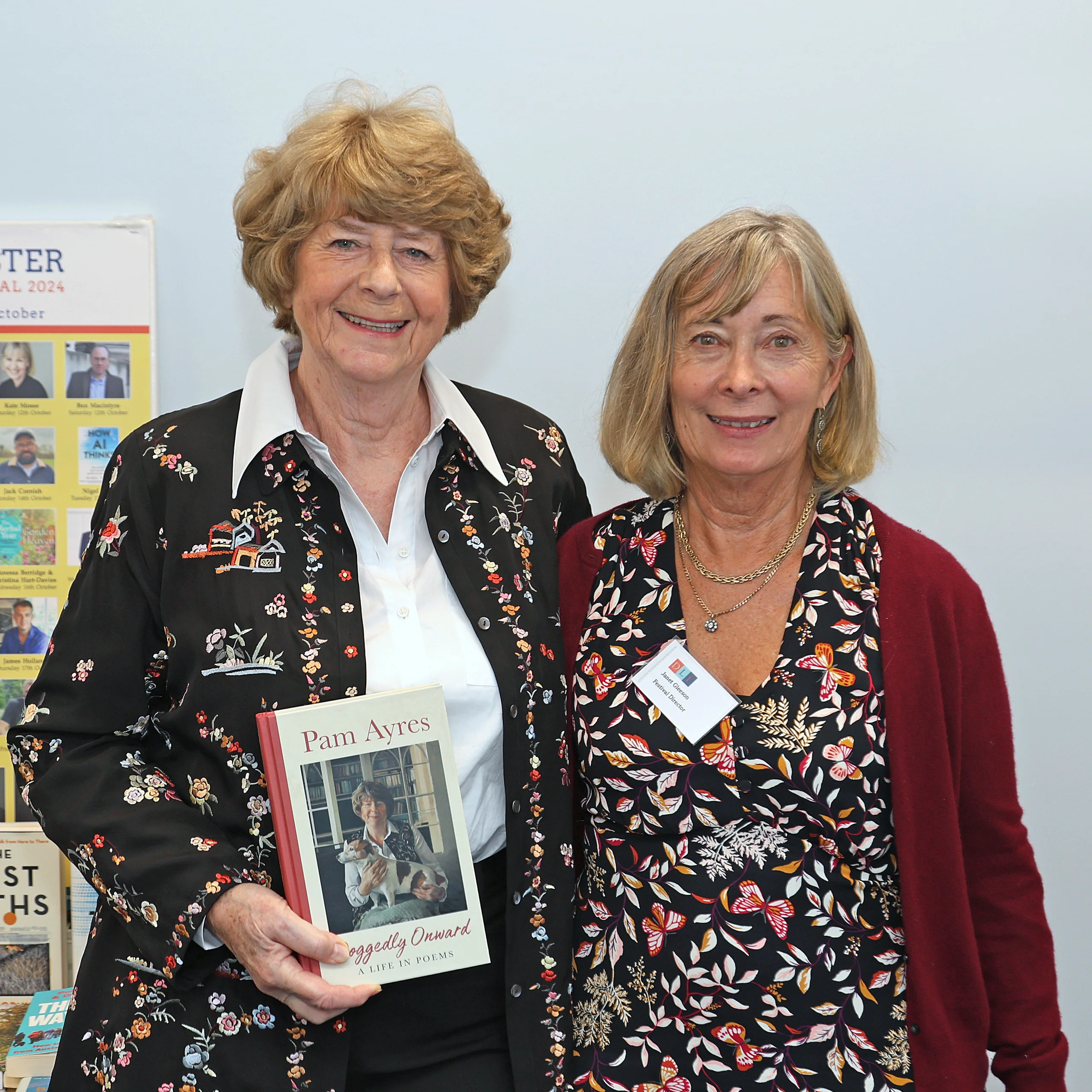
Janet Gleeson had written eight books (including the best-selling Arcanum and The Money Maker) when she and Paul Atterbury had exactly that conversation. The two met on the Antiques Roadshow, where Paul is known for his expertise in 19th and 20th century art and architecture. Having spent her early career at Sotheby’s and Bonhams, Janet worked on the show’s welcome desk, where people’s belongings are initially assessed.
‘We’d just done another literary festival, in Appledore in Devon,’ Janet remembers. ‘And on the way back to Dorset, Paul suggested that we start our own.’
Neither had any experience in running such an event, and when I ask Janet how she’s managed it all so efficiently, her somewhat wry answer is, ‘Well, I’d organised charity dinners, and a wedding.’
Together with her husband, Paul, she moved to Winfrith Newburgh from London in 2005 and thought it would be a great way of getting to know people outside of the village. Also, because she’d been working in the literary world for so long (her agent was Christopher Little, best known for originally agenting J K Rowling) she had lots of great contacts.
It’s a job that clearly taps into all her natural skills, as her memories, even from the early days, are that it was, ‘all surprisingly fun’.
Writing can be a lonely business, so she enjoyed building a community, as well as the camaraderie of working within a team. ‘The daughter of friends in the village, Helen Mockridge, worked in book publicity so she gave us some pointers regarding contacting all the publishers, and joined the team once we were up and running. Tracy Chevalier (who became the festival’s patron) was also really helpful. Authors will be delighted to know that it was she who told us that we must make sure we pay them to appear. And I think it’s one of the reasons we have such a good reputation as a festival, as we’ve always looked after our authors extremely well.’
The festival takes most of the year to organise. ‘After each one there’s time spent paying the bills and writing to thank people. I give myself three weeks off, then start all over again.’
Paul Atterbury recently retired from fronting the festival, but for years, every January he and Janet would take a three-day trip to London to hear all the publishers’ pitches. One of the things they’ve done so brilliantly is choose books that, whilst they might not jump off the shelf at you, have always translated into fascinating talks.
‘We aim to provide something of interest for everyone; to be as broad as possible,’ Janet says. ‘Inevitably, as many of our talks over the week are in the daytime we attract lots of people who’ve retired. But weekends will always be busy with diverse audiences.
‘While the majority of attendees are local, people travel to us from everywhere. For instance, people come London and make it a three-day trip to the coast. I have friends who come as a group, and it’s their annual girls’ get together. I’m proud of how many people the festival attracts to both Dorchester and the wider local area.’
These days it’s Janet’s husband who accompanies her to London. Although Paul has always been critical to the festival’s success: being responsible for sponsorship and advertising.
‘We’re so grateful to all our local businesses,’ says Janet. ‘We couldn’t run the festival without their support, and many have been with us right from the start.’
She’s also indebted to the festival’s volunteers. Over the years there have been more than three hundred; all organised with equal efficiency by a friend from a neighbouring village, Rosie Johnson. ‘We’re particularly keen to get young people involved, which is why you’ll see students from Thomas Hardy and Wey Valley Academy working as stewards.’
Recently the festival has been restructured as a CIC (Community Interest Company) and for Janet, giving back to the community has always been the primary desire. ‘A festival like this isn’t a money-maker, so you’ve got to love books to do it.
‘We’ve now expanded our remit to include a school’s programme. This runs through Thomas Hardye, organised by their senior librarian, Jenny Stevens. And there’s a children’s programme that runs in tandem with the main festival, based at Dorchester Library. We promote both in our programme and on the website.’
Within the main festival, historical non-fiction talks are always popular, along with those about science, health and wellbeing. Those concerning dogs are also much loved!
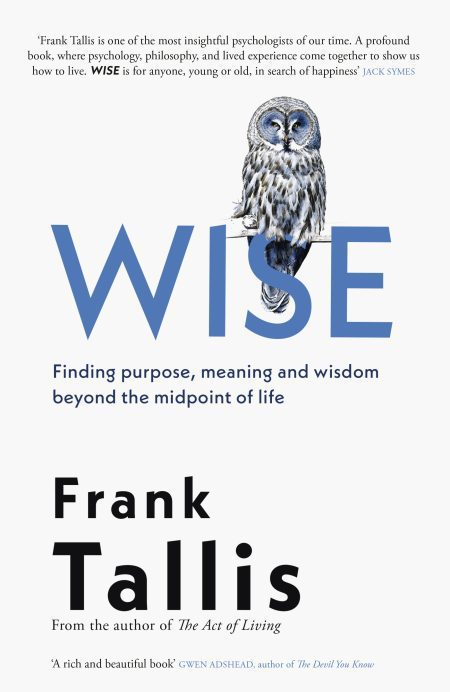
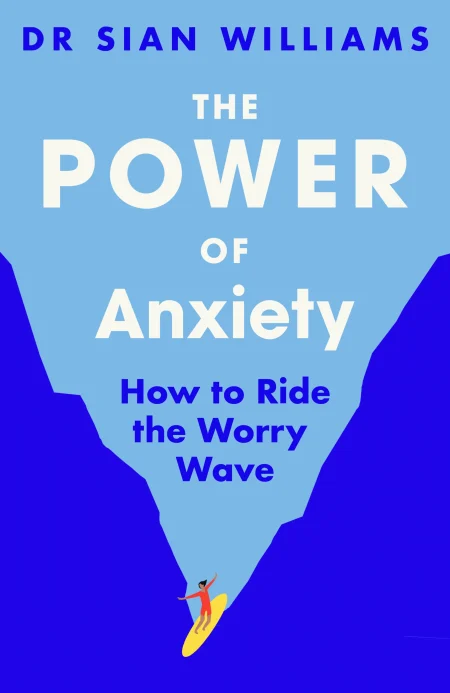
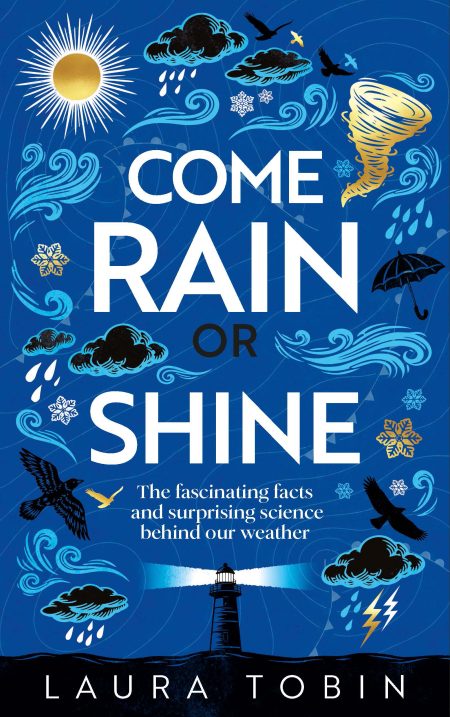
‘This year we have Dr Sian Williams talking about anxiety, which feels very of the moment, and Dr Frank Tallis on ageing well. Nature is also popular. Last year we had the founder of the Cloud Appreciation Society, and his talk sold out.’
Much to Janet’s disappointment, literary fiction is always a harder sell – whatever the calibre of the author. ‘And we’ve hosted some truly incredible ones.’
Overall, she’s really enjoyed the last thirteen years. ‘I’ve learnt so much, both in terms of the skills needed for running a festival and from listening to all the talks. So if you’re thinking of setting up a literary festival then, as long as it’s not in Dorchester, I’d highly recommend it!’